Image To Embroidery
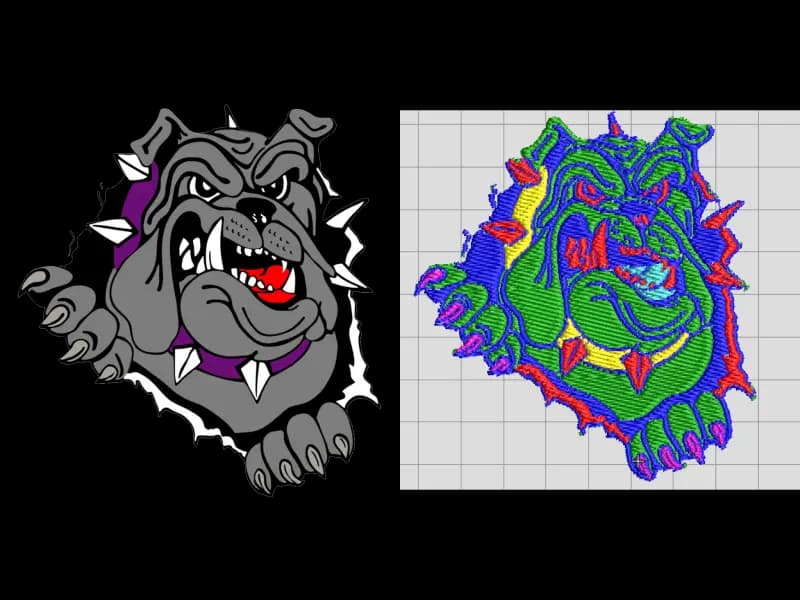
Summary
Developed a system to convert images to DST format for Tajima embroidery machines, optimizing stitch count and minimizing jumps.
Details
A system to convert images to DST format. This format is used by the Tajima embroidery machine. The challenge was to convert pixels to stitches while minimizing the total number of stitches and also the number of jumps from one coordinate to another required to save cost in a large-scale operation. This was challenging since unlike a pixel which is simply just one point, a single stitch span across two. If the stitch is too long then it becomes weak and if it's too short then the total number of stitches increase which in turn increase the cost. Multiple separate custom algorithms based on various graph algorithm was devised to successfully complete this project.
The team comprised 3 members including me. Two from Bangladesh and one from Ukraine. I was appointed as the team lead. To the best of the knowledge of all those involved including our multiple investors, this is a world first and no other solutions similar to this exist.
This project is part of a clothing store where customers could have any image embroidered on the apparel of their choice. As such we partnered with Kornit Digital to whom we would supply the converted embroidery files and they would deliver the final product. This whole process was automated.
Please note that DST files do not support color codes. They only support color changes. Thus, the image on the right looks as such.